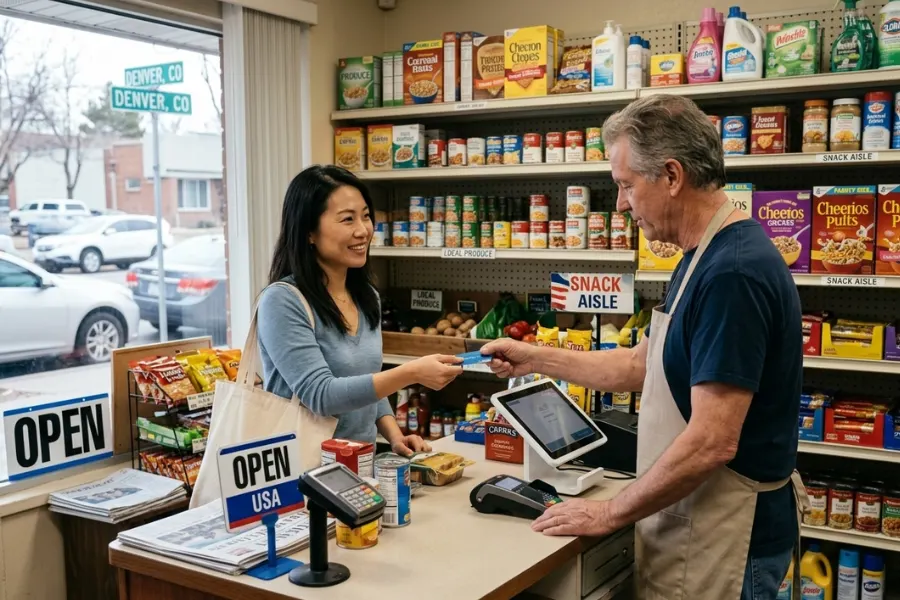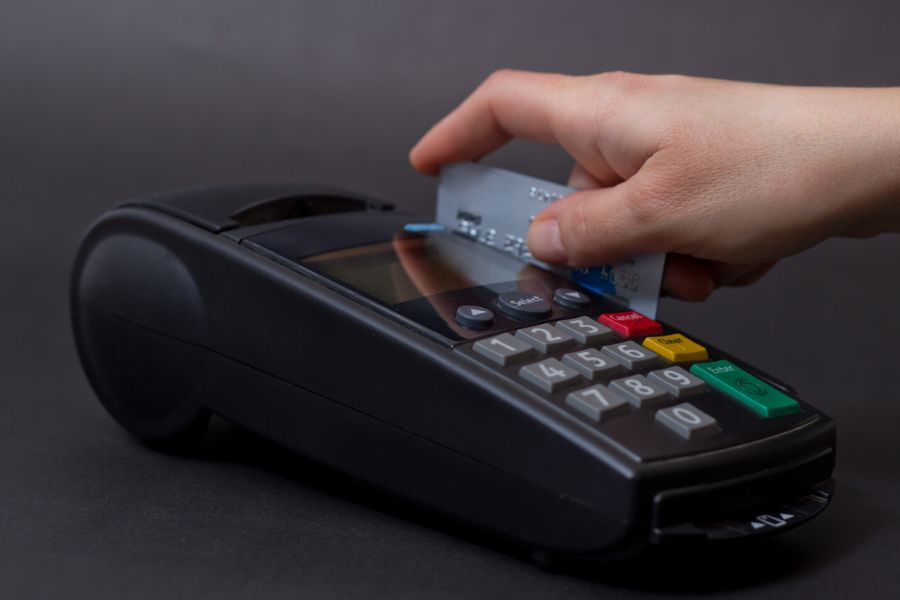
In today’s retail and service environment, a Point of Sale system is no longer just a tool for processing payments. It has become the core system that connects sales, inventory, customer data, and business insights in real time. Businesses that choose the right POS solution are able to operate more efficiently, reduce errors, and deliver better customer experiences.
This article presents five outstanding POS system examples based on real use cases, performance, and scalability. The goal is to help business owners understand how different POS systems perform in practice and which type of solution fits specific operational needs.
What is Outstanding POS?
An outstanding POS (Point of Sale) system is a high-performing solution that goes beyond basic transaction processing to support the full range of business operations. It not only handles payments but also integrates key functions such as inventory management, customer data, reporting, and multi-channel sales into a single, efficient platform.
In practical terms, an outstanding POS system is one that helps businesses operate smoothly, reduce errors, and deliver a better customer experience while being flexible enough to scale as the business grows.
Comparing 5 Outstanding POS Systems for Modern Retail Businesses
1. ConnectPOS
ConnectPOS is a basic point-of-sale system that can be used by any type of business. It has a three-step check-out procedure, lightning-fast processing, and high calculation accuracy. This program runs seamlessly on a variety of platforms, including the iPad, PC, and Mac.
The main features of this extension include multiple payments, take deposits, refund, exchange, offline mode, and a client app. ConnectPOS, most notably, syncs customers, goods and categories, tax legislation, and other settings in real time. Additionally, they create these features in order to give shoppers the most seamless omnichannel purchasing experience possible.
2. Vend
Vend is a web-based and mobile-based point-of-sale system for retailers. This POS system example is adaptable and simple to use, with features such as order management, personalized receipts, product returns and refunds, and barcoding. It may even be used as a centralized data store to make maintaining records easier. Vend has a free plan for small enterprises, as well as monthly subscriptions that range from $69 to $199 each month.
3. Square
Square is a mobile and desktop POS system that was designed to meet the demands of a wide range of companies. This platform can also handle email marketing initiatives since it comes with inventory management, reporting and analytics, as well as integrated payment processing. Furthermore, if you wish to customize it, this system is strong enough to enable many connections. Square is a transaction-based payment plan that charges you only 2.75 percent of each customer’s payment.
4. Shopify POS
Shopify POS is the next brand on our list of the top POS system examples. It is a mobile point-of-sale software system that is commonly applied in the retail industry. The typical Shopify POS setup can run on an iPad, Android tablet, or PC with a web browser, but you can also offer and take payments while on the go—at outside markets, pop-up stores, and so forth.
Shopify POS offers robust inventory management with online and offline inventory synchronization, customer sales records, accounting software integration, and detailed reporting, to name a few features. Shopify’s in-house payment processor also provides attractive credit card rates.
5. Nobly POS
Nobly POS is an iPad EPOS system targeted at small and mid-sized businesses. It has an easy UI that allows businesses to give speedier service to their clients. Retail, food and beverage, and personal services are just a few of the businesses that employ this software. Moreover, this system is more than a POS; it also includes a loyalty and CRM tool. This allows you to collect essential customer data for more personalized services and provide a variety of incentive programs to strengthen your relationship.
What Makes a POS System Outstanding
Based on industry experience and real business use cases, outstanding POS systems share several key characteristics. They provide reliable performance under high transaction volumes, offer real-time data synchronization, and integrate easily with other business tools.
Ease of use is also critical. Staff should be able to operate the system efficiently with minimal training. At the same time, the system must be scalable so it can support business growth without requiring a complete replacement.
Security, offline capability, and strong customer support are also important factors that determine long-term success.
Final Thoughts
Choosing the right POS system depends on your business size, operational complexity, and long-term goals. There is no one-size-fits-all solution, but understanding how each system performs in real business scenarios will help you make a more confident and informed decision.
From practical use cases, ConnectPOS stands out for its strong omnichannel capabilities and scalability. Shopify POS works best for businesses already within the Shopify ecosystem. Square remains a reliable option for small businesses looking for simplicity, while Lightspeed is a solid choice for inventory-heavy operations. Clover offers flexibility with its all-in-one hardware and software approach.
Ultimately, a POS system is not just a tool for processing transactions. It is a strategic foundation that supports operational efficiency, enhances customer experience, and drives long-term business growth.
If you are still exploring the right solution, you are not alone. Choosing a POS system is an important step, and having the right guidance makes a difference. If you have any questions about POS system examples or want to learn more about ConnectPOS, feel free to reach out. Our team is always ready to support you in finding the best fit for your business.
►►► Optimal solution set for businesses: Shopify POS, Magento POS, BigCommerce POS, WooCommerce POS, NetSuite POS, E-Commerce POS