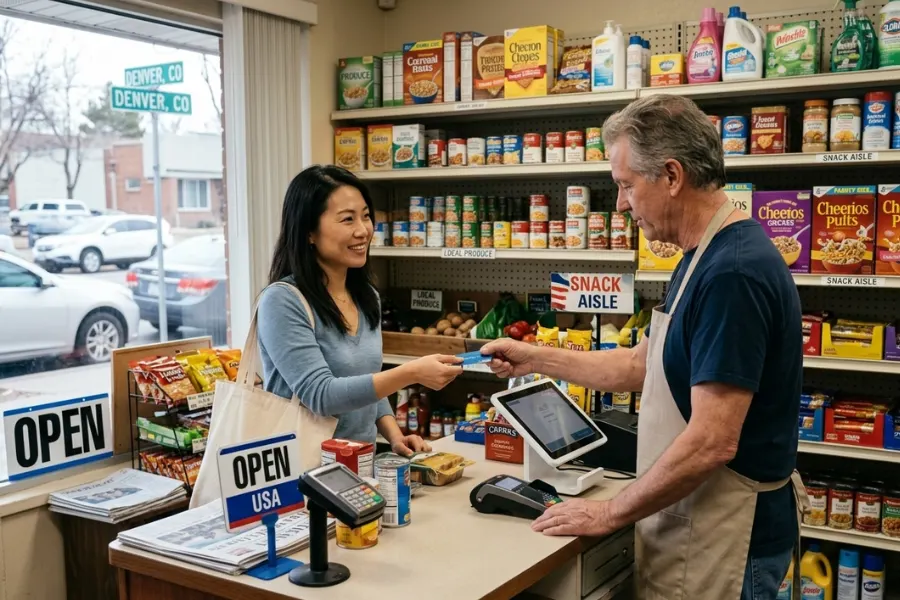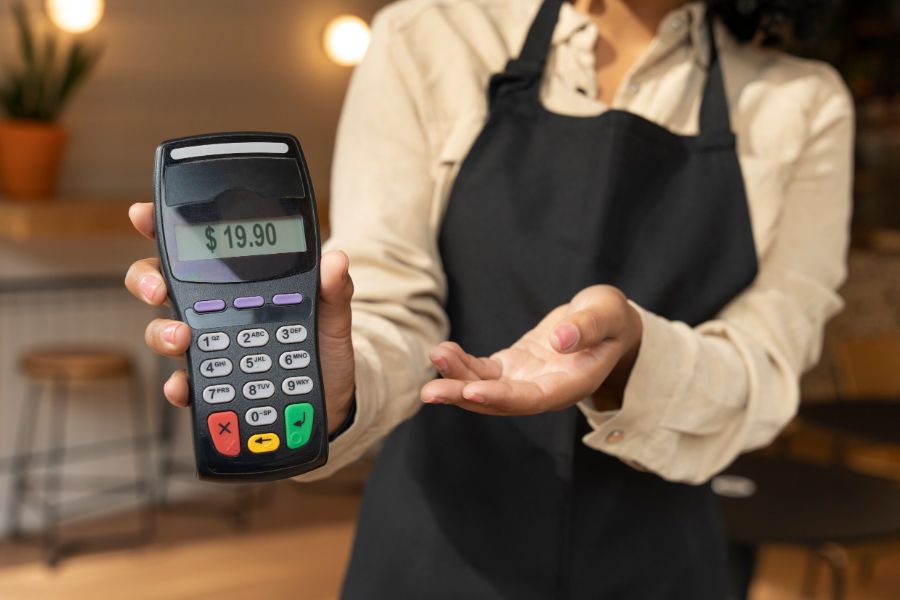
In 2026, uninterrupted sales operations are no longer optional but essential. That’s why offline mode in a POS system has become a must-have feature for modern retailers. Whether you are dealing with unstable internet connections, network outages, or operating in remote locations, a POS system with reliable offline capabilities ensures your business can continue processing transactions without disruption.
In this article, we will explore the top 5 POS systems with offline mode in 2026, highlighting solutions that allow you to keep selling, sync data seamlessly once reconnected, and maintain accurate inventory and sales records. If you are looking for a POS system that guarantees business continuity and a smooth customer experience even without internet, this guide will help you find the right fit.
What is Offline Mode in a POS System, and How Does It Work?
What is Offline Mode in a POS System?
Offline mode in a POS system allows businesses to continue processing sales transactions even when there is no internet connection. Instead of relying on real-time communication with servers or payment gateways, the POS system temporarily stores transaction data locally on the device. This ensures that your business can keep operating smoothly during internet outages, network instability, or in locations with limited connectivity.
How Does Offline Mode Work?
When a POS system switches to offline mode, it follows a simple but effective process:
- Local Data Storage
All sales transactions, customer details, and payment records are stored directly on the POS device instead of being sent to the cloud. - Continued Transaction Processing
Staff can still:- Add products to cart
- Apply discounts
- Accept payments (especially cash or offline-supported card methods)
- Issue receipts
- Temporary Limitations
Some features may be limited, such as:- Real-time inventory sync across multiple stores
- Online payment authorization
- Access to cloud-based reports
- Automatic Data Syncing
Once the internet connection is restored, the POS system automatically syncs all stored data with the central server. This updates:- Inventory levels
- Sales reports
- Customer data
- Error Handling & Conflict Resolution
Advanced POS systems can detect and resolve data conflicts (for example, overselling items) to maintain accuracy after syncing.
When Should You Consider Using an Offline POS?
- Internet Connectivity Issues
In places where the internet is unreliable or slow, having offline capabilities ensures that your business stays operational. For instance, businesses in rural or remote locations often face spotty internet connections, leading to delays or even failure in processing payments. With the offline function, you can keep serving customers without interruption.
- Mobile or Remote Businesses
Businesses on the go, like food trucks, market vendors, or event-based retailers, often don’t have the luxury of a stable internet connection. These operations frequently take place in areas without reliable Wi-Fi or cellular data. For these businesses, an offline POS system is indispensable. An offline POS allows these businesses to accept payments and function smoothly in any setting.
- High-Traffic Events
During large events or high-volume sales periods (such as festivals, pop-up shops, or seasonal markets), internet bandwidth can become saturated, causing slow speeds or connectivity failures. As the demand for transactions increases, the risk of internet failure rises, and offline POS capabilities eliminate that concern. Offline mode helps sales continue as usual, so customers aren’t waiting or frustrated by technical glitches. Once the system reconnects, the data is synchronized automatically, maintaining accuracy and reducing manual entry, which can lead to errors in busy settings.
- Staff Working in the Field
Sales agents or delivery drivers working in areas with weak or no internet connectivity can face significant challenges. Offline POS systems allow these workers to complete transactions on the spot, even without internet access.
- Backup for Unexpected Downtime
Even businesses with generally reliable internet connections can experience unforeseen outages in urban areas. These disruptions, whether due to power failures, technical issues, or internet service provider problems, can leave businesses unable to complete transactions. An offline-capable POS ensures you’re prepared for the unexpected, keeping your operations unaffected.
Top 5 Offline Mode in a POS System for Small Businesses
1. ConnectPOS
ConnectPOS leads the way as a cloud-based POS system, with an offline mode that allows your business to keep running smoothly during internet downtime. This feature is especially helpful in situations where internet access may be unreliable, such as at trade shows, outdoor markets, or temporary retail spaces.
In offline mode, ConnectPOS continues to function normally. Merchants can still access product data, add items to the cart, and process customer payments. All of this information is stored locally and then synced with the cloud as soon as the connection is restored. This ensures that no transactions are lost, and your data remains up to date.
The shift between offline and online modes is smooth and automatic, updating your inventory system once the internet connection is back. This means business owners won’t have to worry about discrepancies in their sales data at the end of the day. In addition, ConnectPOS uses advanced technology developed by Google to improve the loading speed of the sales page even in conditions of slow internet, which enhances the overall user experience.
Beyond offline functionality, ConnectPOS offers other useful features:
- Multi-store POS Management: Track sales and inventory across multiple locations from one central dashboard.
- Integrated Payment Solutions: Works seamlessly with various payment methods, including mobile wallets and credit cards, simplifying the checkout process.
- Custom POS Interface: Tailor the interface to your business type and needs, whether for retail, food service, or another industry.
- Customer Management: Access customer purchase history, preferences, and loyalty program details to foster repeat business.
- Real-time Analytics: Gain insights into sales and performance with detailed reporting, even when offline.
2. Square POS
Square POS is another leading system known for its offline capabilities. When the internet is down, Square’s offline mode steps in, allowing merchants to process swiped card payments up to a default limit of $100, which can be adjusted to a maximum of $50,000.
Key features of Square POS include:
- Offline Mode with Payment Processing: Offline payments can be processed with Square’s integrated hardware, ensuring you don’t lose sales during internet downtimes.
- Inventory Management: Square automatically updates inventory once the system is back online, syncing all offline transactions with the cloud.
- Customer Management: Square also offers tools to track customer behavior, which is vital for improving marketing efforts and targeting repeat customers.
- In-depth Reporting: Users have access to a range of reporting tools to analyze their business performance.
3. Revel Systems POS
Revel Systems offers a robust offline mode, allowing your business to stay operational even during network outages. The system continues to process payments, manage inventory, and track sales until the connection is restored.
Revel’s additional features:
- Integrated Hardware Options: Revel supports a variety of hardware, from cash registers to mobile devices, providing flexibility in how you run your business.
- Inventory and Supply Management: The system tracks your inventory in real-time, even while offline, and updates the data once you’re back online.
- Employee Management: Revel offers time tracking, scheduling, and payroll features to manage your team seamlessly.
- Advanced Analytics: Revel offers detailed analytics and reporting, allowing you to track sales, revenue, and employee performance efficiently.
4. Lightspeed POS
Lightspeed provides POS, a comprehensive solution for businesses requiring more than just basic offline functionality. It allows you to process transactions offline and continue syncing with the cloud once online.
Additional features include:
- Omnichannel Support: Seamlessly integrate your physical store with an e-commerce site, allowing you to manage online and offline sales from one platform.
- Customer Insights: Gather data on customer preferences and sales trends to create tailored loyalty programs.
- Advanced Inventory Management: Lightspeed’s inventory system offers detailed tracking, which is useful for retailers managing large quantities of stock.
- Employee Management: Lightspeed includes robust features to manage employee schedules, permissions, and performance, ensuring smooth operation even when offline.
5. Erply POS
Erply provides flexible POS solutions tailored to meet the demands of various retail businesses. As a cloud-based system, it offers full checkout functionality, smooth hardware integration, and the ability to operate offline.
In addition to offline capabilities, Erply offers features like:
- Multi-location Management: Manage multiple stores from a centralized platform.
- Customizable Workflow: Adapt the POS interface to suit various business needs.
- Inventory Tracking: Maintain accurate stock levels, even while offline.
- Customer Relationship Management (CRM): Access customer data for better service and loyalty programs.
On a final note
Selecting an offline POS system is a smart move for businesses dealing with unreliable internet connections. The systems highlighted above, including ConnectPOS, stand out for their ability to support uninterrupted sales, secure transaction processing, and reliable data management, even during connectivity challenges. These features help businesses maintain smooth operations and provide exceptional service without compromise.
Curious about how ConnectPOS can empower your business? Explore its offline POS capabilities and a host of other features by reaching out to us today.
►►► Optimal solution set for businesses: Shopify POS, Magento POS, BigCommerce POS, WooCommerce POS, NetSuite POS, E-Commerce POS